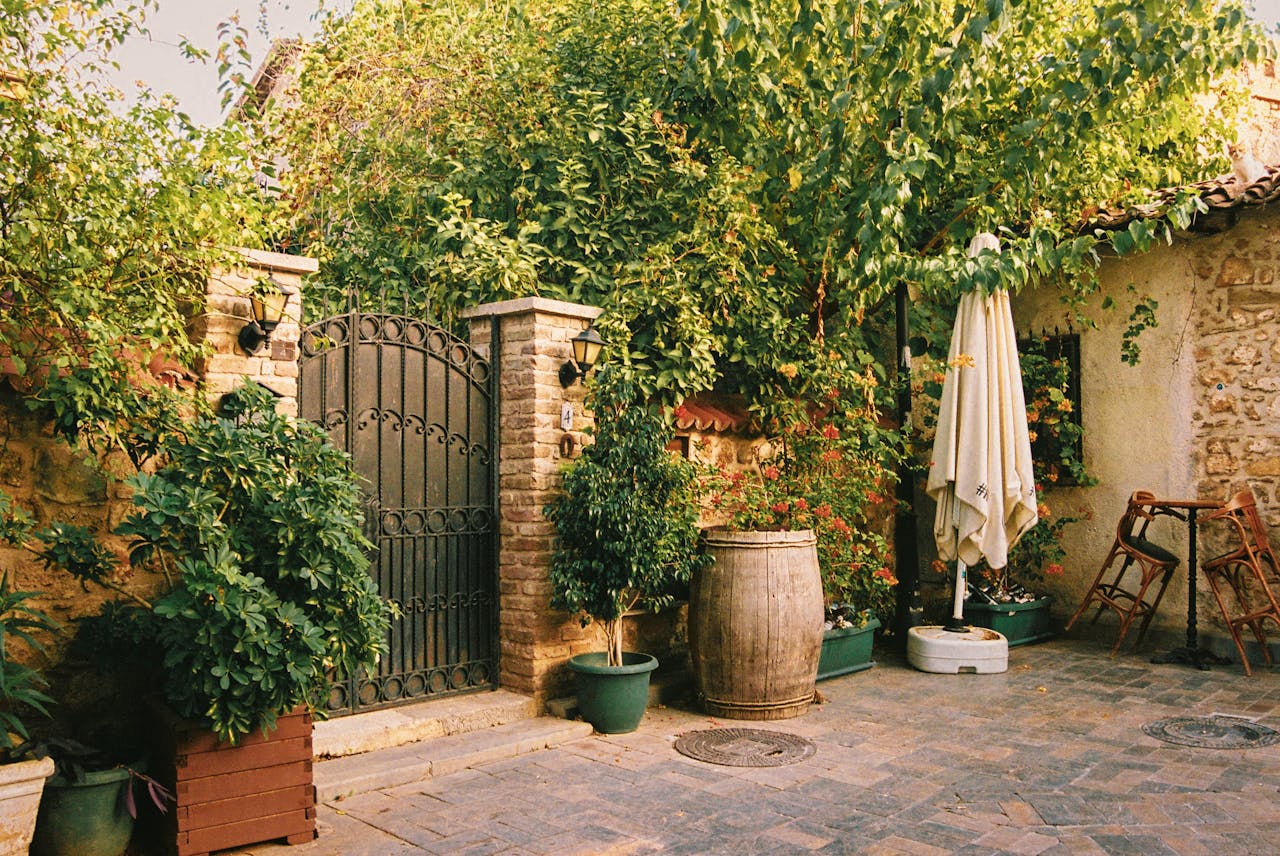
Outdoor spaces have shifted quietly over the past few years. They are no longer treated as leftover square footage. They are planned, shaped, and used with intention. Stonework and fencing sit right at the center of that shift, doing more than people often give them credit for.
These elements do two things at once. They define how a space works, and they determine how it feels. That combination is what turns a yard into something memorable.
Early on, William Maclyn framed it simply: “Most people think stone and fencing are finishing touches. They are not. They set the structure first, then everything else follows.” Inasmuch as it sounds obvious, it is easy to overlook.
Outdoor Spaces Are Being Designed Like Rooms
The starting point is how people now use their yards. The idea of outdoor space as an extension of the home is not new, but it has gained real traction. According to the 2024 U.S. Houzz Outdoor Trends Study, about 33% of homeowners upgrading outdoor areas say they are doing it to extend their living space.
Once a yard is treated like a room, it needs boundaries, flow, and purpose. Stonework and fencing step in to create those invisible walls.
Stone defines where people walk, sit, and gather. Fencing sets edges and creates a sense of enclosure. Without them, the space can feel open but unfinished, like furniture placed in a room with no walls.
On the other hand, when these elements are planned together, the space starts to make sense. Paths lead somewhere, seating areas feel grounded, and even small yards begin to feel intentional rather than improvised.
Curb Appeal Still Drives Most Decisions
A surprising number of outdoor projects start at the front of the home. Houzz data shows that 46% of outdoor renovations take place in front-facing areas, which says a lot about what homeowners value first.
First impressions still carry weight. Stone walkways, entry pillars, and coordinated fencing can shift how a property is perceived in seconds.
There is also a practical layer beneath that. According to the National Association of Realtors, 92% of real estate professionals recommend improving curb appeal before listing, which ties design decisions directly to value.
The best results do not come from adding more elements, but from aligning them. A stone path that matches the tone of a fence or gate that feels connected to the house rather than separate from it are some of the small decisions that add up.
Stonework That Balances Function and Design
Stonework often gets reduced to patios and pathways. That misses the bigger picture. When used well, it shapes how the entire space operates.
Murphy Eick captured this mid-project during a site walkthrough: “The best stonework solves a problem first. The design part comes right after that. If it only looks good, it usually does not last.” That observation tends to hold up across projects.
Where Stonework Adds the Most Value
- Patios and terraces create a clear gathering point and anchor the layout
- Walkways guide movement and reduce wear on surrounding areas
- Retaining walls manage elevation while doubling as seating
- Borders and edging define planting zones and reduce maintenance spillover
Many of these features carry hidden benefits. A retaining wall can manage drainage while creating seating. A pathway can reduce soil erosion while improving access.
That dual purpose is what separates thoughtful design from surface-level upgrades.
Fencing as Structure, Not Just Boundary
Fencing often gets treated as a final step. Install it, close off the yard, and move on. That approach tends to limit what the space can become.
Fencing works best when it is part of the initial plan. It shapes sightlines, controls privacy, and influences how open or enclosed a space feels.
How Fencing Shapes Outdoor Experience
- Privacy fencing creates quiet zones for relaxation
- Open or metal fencing preserves views while maintaining boundaries
- Mixed-material fencing adds visual interest and ties into stone elements
- Living screens paired with fencing soften edges and improve resilience
There is also a sensory layer to consider. Fences can reduce noise, block wind, and create a more comfortable micro-environment. These are not always visible changes, but they are felt.
On the other hand, poorly placed fencing can do the opposite. It can make a space feel cramped or disconnected. Placement matters just as much as material.
Layering Elements Creates Depth
The most effective outdoor spaces rarely rely on a single feature. They combine hard surfaces, boundaries, and natural elements into something that feels balanced.
Research backs that up. According to Houzz, around 77% of homeowners upgrading outdoor areas invest in plants, shrubs, or trees, while 78% also upgrade outdoor lighting. Those numbers point to a pattern: people are layering features, not choosing just one.
Stone alone can feel rigid. Fencing alone can feel flat. Planting and lighting introduce variation, movement, and depth.
A stone wall lined with greenery softens over time. A fence lit from below shifts the mood after sunset. These combinations create spaces that change throughout the day rather than staying static.
Practical Details That Often Get Missed
It is easy to focus on design and overlook the underlying mechanics. That is where many projects run into trouble.
Drainage is one of the biggest factors. Hard surfaces need to direct water away from structures. Even a slight slope can make a difference. Without it, water collects, materials shift, and long-term issues appear.
Material choice also plays a role. Some options cost more upfront but last significantly longer. Others are easier to install but require ongoing maintenance. There is no universal answer, but there is always a trade-off.
Then there are local regulations. Fence height, placement, and materials are often governed by local codes. A design that works visually may need adjustments to meet those requirements.
These details rarely show up in inspiration photos, but they shape how the final space performs.
Final Thoughts
Outdoor design has moved beyond decoration. It is closer to planning a system, where each element supports the next.
Stonework and fencing do not just fill space. They define it. They influence how people move, where they gather, and how the space evolves over time.
That shift explains why more homeowners approach these projects with a clearer goal. Not just to improve appearance, but to create something that works, lasts, and feels considered.
About the Author