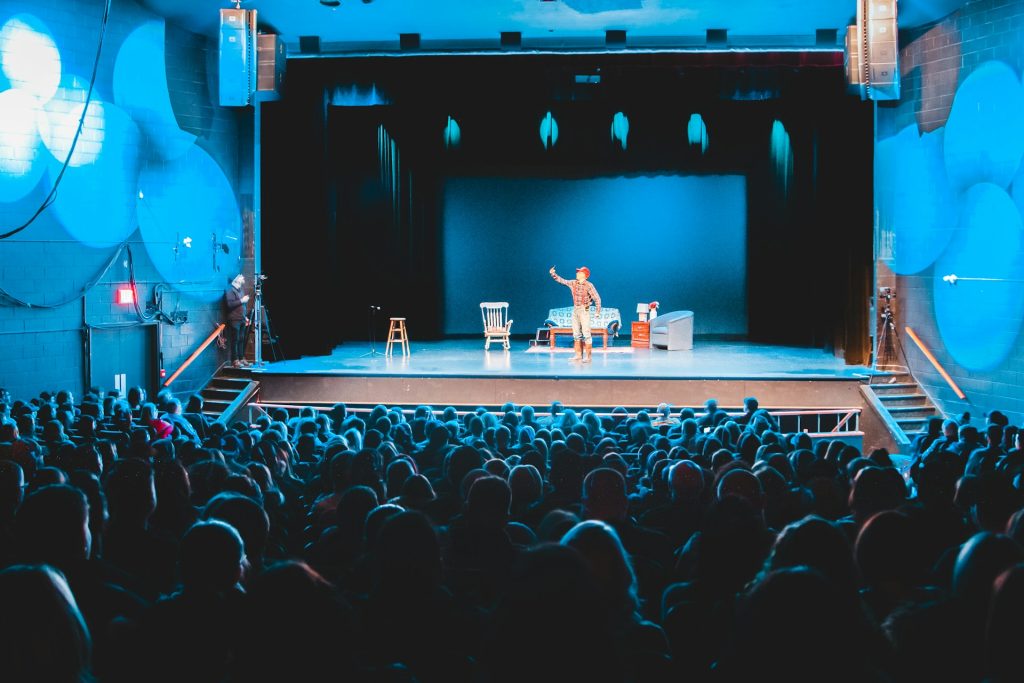
The entertainment landscape has undergone rapid changes with the rise of digital platforms, reshaping how stories are shared and consumed. Audiences today demand flexibility, variety, and convenience, pushing traditional institutions to adapt or risk fading from relevance. Streaming services have not only fulfilled those demands but also redefined storytelling by expanding access and experimenting with new formats.
Theatre, while challenged by these shifts, has begun exploring innovative pathways embracing digital integration, hybrid formats, and collaborations with tech-forward platforms. Phil Healy, Chicago, says that these developments suggest a future in which live performance and digital content coexist and enhance one another, offering audiences the best of both worlds and ushering in a new era of artistic expression.
Viewing Habits in the Digital Era
Over the past decade, the ways in which audiences consume entertainment have changed dramatically. The convenience of watching movies and shows at home has reshaped expectations around when and how people engage with content. With streaming services offering entire seasons at once, viewers have grown accustomed to watching on their own time – often in long uninterrupted sessions.
This shift has affected traditional forms of entertainment, such as live theatre. Attendance at plays and musicals, especially among younger audiences, has declined in many cities. Some theaters have responded by adapting their programming, but the broader trend points to a growing preference for digital access over physical formats. The sense of proximity once exclusive to live events is now rivaled by real-time streaming and social media engagement.
How Streaming Platforms Redefined Entertainment
Not only have streaming platforms transformed how content is delivered, but also what kinds of stories are shared. Companies like Netflix, Hulu, and Disney+ have invested heavily in original productions, creating a steady stream of fresh material that caters to a wide range of tastes, keeps viewers engaged, and produces return customers.
The accessibility these platforms offer is a game-changer. With only a paid subscription and a device, audiences can watch high-quality content anywhere at any time. This level of convenience has made it more difficult for traditional entertainment venues to compete, especially when families can enjoy award-winning productions from their living rooms.
Theatre’s Struggles in a Streaming-Dominated Market
Live theatre has faced mounting challenges in maintaining relevance in a world dominated by digital entertainment. Financially, many smaller venues have struggled to stay open, especially during the pandemic when in-person performances came grinding to a halt. Even larger institutions have had to cut back on staff, reduce programming, or turn to emergency fundraising.
Audiences themselves are changing. Younger generations are less likely to prioritize live performances, often viewing them as expensive or less accessible. In cities where theatre once thrived, the shift in cultural habits has left some stages dark more often than not. With entertainment just a click away, the effort required to attend a live show can feel burdensome.
New Avenues for Theatre Through Digital Integration
Some major players in the world theatre have chosen to view streaming as an opportunity and not a threat. Productions like Hamilton, made available on platforms such as Disney+, brought Broadway-level performances into living rooms across the globe. This not only extended the show’s reach but also introduced theatre to audiences who might never have attended in person. It sparked renewed interest in other stage works, encouraging viewers to explore theatre beyond mainstream hits.
Hybrid formats have started to emerge, blending live performance with digital access. Some companies now offer limited runs in theaters followed by streaming releases, giving audiences multiple ways to engage. This approach has helped maintain artistic integrity while expanding viewership in a shifting entertainment backdrop. It also creates new revenue streams for companies that once relied solely on ticket sales.
Audience Behavior and the Appeal of Both Worlds
Despite the rise of digital content, a dedicated audience for live theatre remains. Many people appreciate the energy and immediacy of an in-person performance—something that screens can’t replicate. It’s not uncommon for viewers to enjoy a streaming version of a show and later seek out a live performance to experience the full effect. The emotional impact of in-person moments still holds strong appeal.
Looking Ahead: Innovations in Performance and Distribution
The future may lie in collaboration. As streaming services continue to expand, some have begun to partner directly with theatre companies to produce and distribute high-quality recordings. This model not only supports the arts financially but also introduces theatrical storytelling to broader audiences. It helps bridge the gap between traditional performance and modern viewing habits.
Emerging technologies like virtual reality and augmented reality could further blur the line between stage and screen. These tools offer immersive experiences that bring new dimensions to storytelling, allowing creators to reimagine what performance can look like in the digital age. There’s potential for entirely new genres to emerge that fuse the best of live and digital artistry.