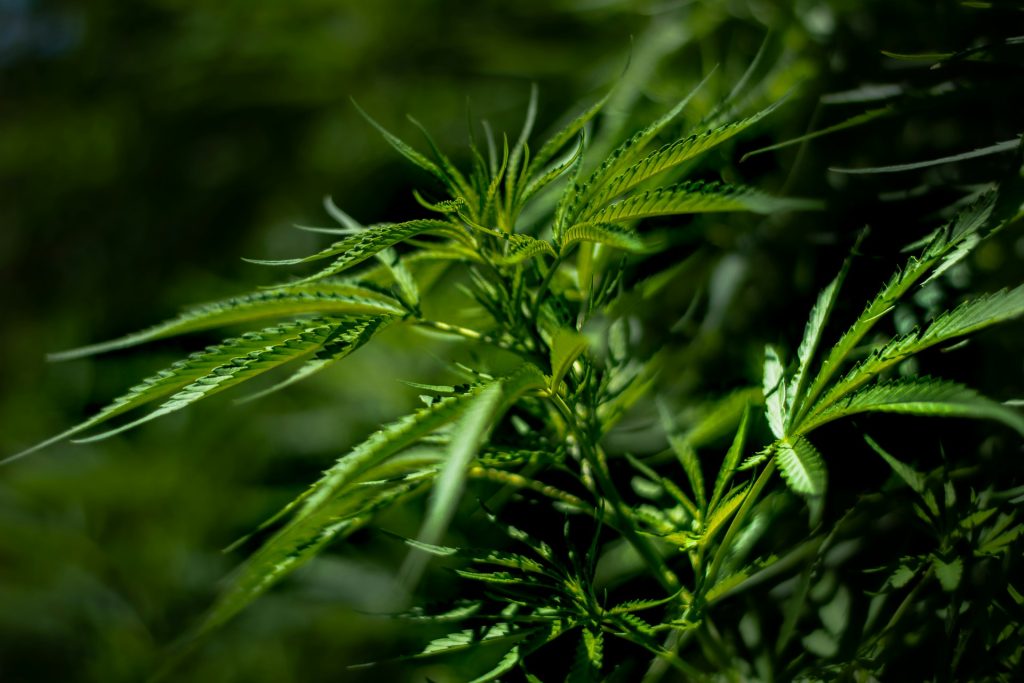
While cannabinoids like THC and CBD often take center stage when discussing the effects of cannabis, terpenes contribute immensely to the plant’s personality and behavior. Present in countless plants besides cannabis, such as citrus fruits, herbs, and flowers, these compounds influence how we perceive and respond to what we consume.
In cannabis, their synergy with cannabinoids through what’s known as the entourage effect can impact everything from alertness to tranquility. With proper storage and labeling provided by California Cannabis Testing Labs CCTL, among other establishments, terpene-rich cannabis can retain its full potential, offering a complete sensory and therapeutic experience.
Terpenes in the Cannabis Plant
Cannabis naturally produces terpenes in its resin glands, the same place it generates cannabinoids like THC and CBD. These aromatic oils are what give each strain its unique scent—ranging from earthy and musky to citrusy or floral. The presence and combination of terpenes help distinguish varieties like Sour Diesel from Blue Dream or OG Kush.
Different strains contain varying levels and types of terpenes, which contribute not just to scent but also to how a user might experience the plant. A strain rich in limonene might carry a bright lemon-like aroma, while one with high myrcene content often has a more herbal or clove-like profile.
Key Terpenes and Their Characteristics
Myrcene is one of the most common terpenes in cannabis and is often associated with a musky, earthy aroma. Limonene, true to its name, carries a citrusy note and is commonly found in lemon rinds and juniper. Then there’s pinene, which smells of fresh pine and is also present in rosemary and conifer trees.
Linalool, known for its floral, lavender-like fragrance, is sometimes linked to calming experiences. Caryophyllene stands out because it also interacts with cannabinoid receptors, something unique among terpenes. It’s spicy and peppery, and can be detected in cloves and black pepper.
Terpenes and Their Relationship with Cannabinoids
Terpenes and cannabinoids work together in what’s called the entourage effect, a theory suggesting that cannabis compounds may create more nuanced effects when combined than when isolated. Rather than acting alone, THC and CBD might interact with terpenes to shape the overall experience, influencing things like mood, alertness, or relaxation.
While THC is known for its psychoactive properties and CBD for its calming influence, terpenes add further dimension. A profile rich in pinene could encourage mental clarity, while a blend high in linalool might contribute to a more soothing outcome.
Each terpene adds a layer of complexity to cannabis, and the variety of combinations can result in a wide spectrum of experiences. While these interactions aren’t fully understood yet, the entourage effect continues to be a subject of growing scientific interest.
What to Look for on Cannabis Labels
As cannabis products become more refined, terpene profiles are now listed on packaging, offering helpful clues beyond THC or CBD percentages. Shoppers are starting to recognize terms like “dominant in limonene” or “high in myrcene,” which can guide them toward desired aromas or effects.
Lab-tested terpene information adds transparency and helps ensure quality. Without proper labeling, two products might appear identical chemically but yield very different experiences. Knowing what terpenes are present brings a new layer of understanding to cannabis selection, especially for those seeking specific outcomes such as energy, focus, or bliss.
Preserving Terpene Quality
Terpenes are delicate and can degrade when exposed to air, heat, or light for extended periods. Improper storage—like leaving cannabis in a warm, bright environment—can strip it of its aromatic complexity. Once lost, those scents and potential benefits are hard to recover. Even short-term exposure to harsh conditions can alter the product’s quality.
To maintain terpene integrity, products should be kept in airtight containers away from direct sunlight. Cooler temperatures and minimal handling also help preserve their full profile. Just like fine herbs or fragrant teas, cannabis with a rich terpene content benefits from proper storage.