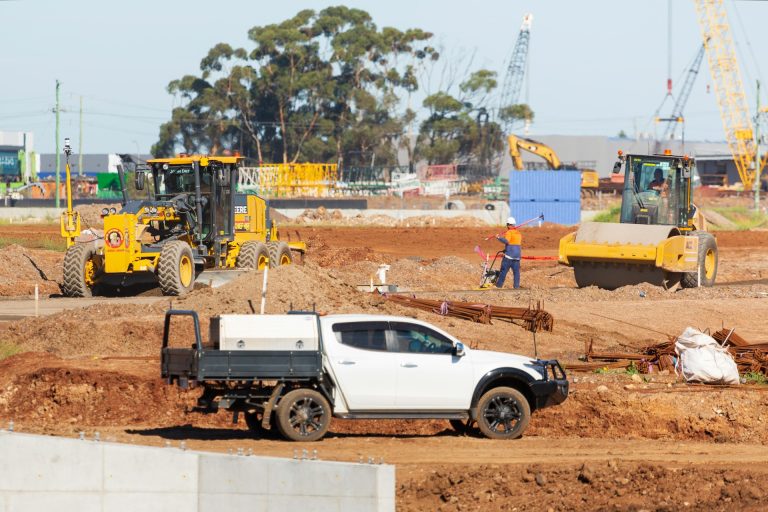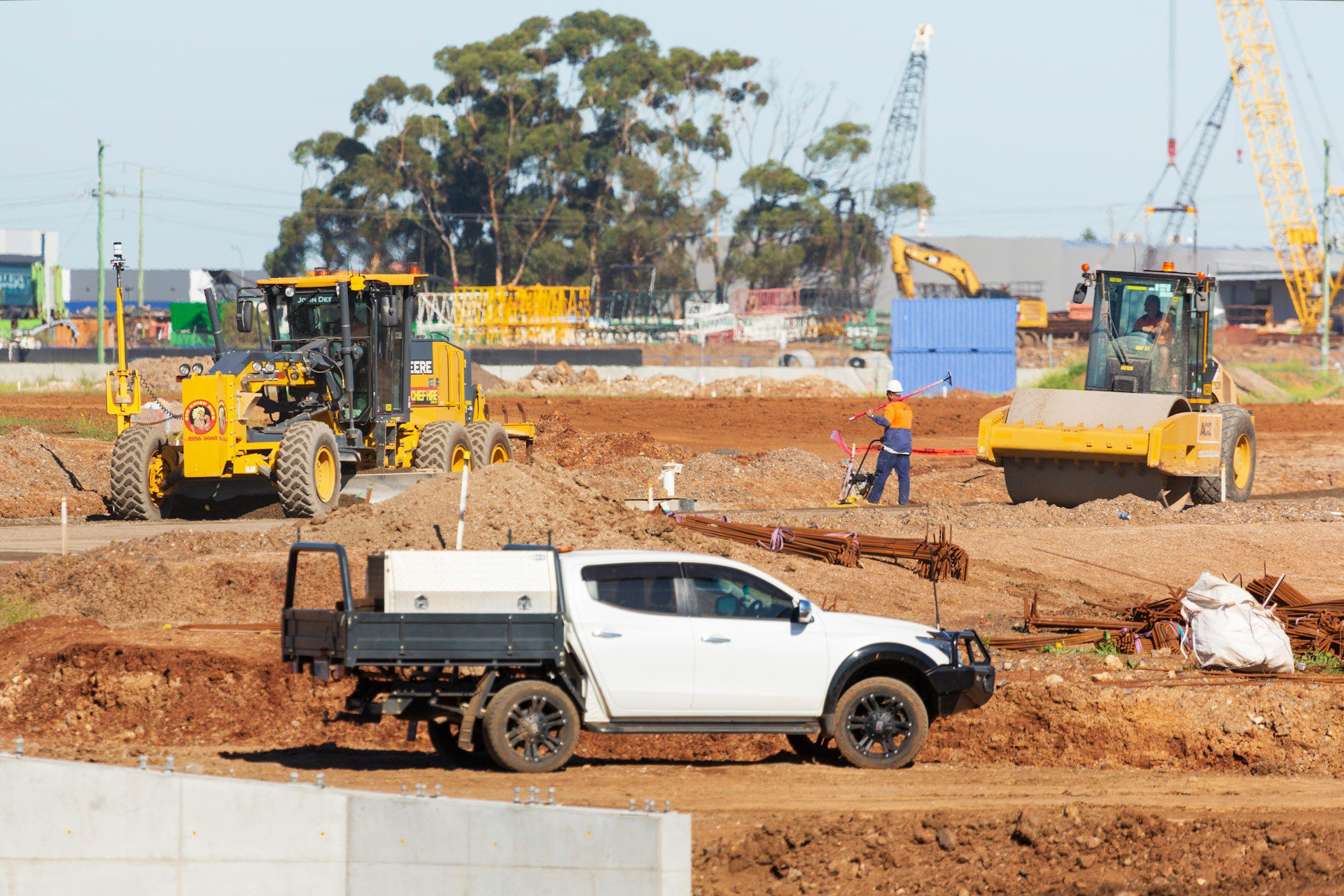
Gregory Jevyak has spent a successful career watching the impact on a community after an industrial facility closes. The tidy timelines that redevelopment plans promise on paper are seldom met. Strategic land reuse embodies transforming a former industrial or commercial property into a functioning community asset, and it depends on much more than remediation and construction schedules.
Successful land reuse is reliant upon trust built between property owners, regulators, and the neighborhoods living beside the fence line. Site redevelopment succeeds when technical cleanup work and genuine community engagement move forward together. Organizations that separate those two efforts are most likely to produce projects that stall well after the environmental work is finished.
Former industrial properties, commonly referred to as brownfields, carry a complicated inheritance of environmental liability, neighborhood memory, and economic potential all at once. Millions of acres of contaminated or underutilized land sit across the country, and turning that land into housing, green space, or new commercial development requires a redevelopment strategy that treats the surrounding community as a stakeholder.
Understanding Brownfield Redevelopment as a Community Process
Redevelopment planners typically discover that the technical challenges of a former industrial site are easier to resolve than the social distrust left behind by decades of neighborhood exposure to a struggling or abandoned facility. The EPA Brownfields and Land Revitalization Program identifies stakeholder involvement as the first and most consequential step in successful site reuse, ahead of remediation planning and financing structures.
Neighborhoods surrounding a shuttered plant or refinery can carry legitimate concerns regarding air quality, groundwater safety, and the economic disruption that follows a major employer’s departure. A redevelopment plan that ignores those concerns, however sound its engineering, is prone to encounter organized resistance once shovels finally reach the ground.
Land reuse strategies built around early, honest communication generally move through permitting and public review with considerably less friction than those introduced after key decisions have already been finalized.
Establishing Trust Before the Cleanup Begins
Community skepticism toward redevelopment projects seldom stems from opposition to progress itself but from a history of promises that were never kept at similar sites.
“Neighbors remember every time a company said the site would be cleaned up quickly, and then years went by with nothing visible happening,” Jevyak says. “Once that trust is broken, every subsequent project inherits the skepticism, even from a completely different owner.”
Rebuilding trust requires transparent communication surrounding site conditions, cleanup timelines, and the realistic uses that remediation levels will support.
Community meetings held early, before a reuse concept is fully designed, allow residents to shape outcomes instead of reacting to decisions already made behind closed doors. Redevelopment teams that treat public meetings as a formality is known to generate the very opposition they hoped to avoid.
Navigating Institutional Controls and Land Use Restrictions
Many former industrial sites carry residual contamination that remediation cannot fully eliminate, which means institutional controls and land use restrictions commonly become a permanent feature of the property’s future use.
Deed restrictions, environmental covenants, and zoning limitations protect public health by governing what activities can safely occur on a site, and communicating those restrictions clearly to future residents, tenants, and developers prevents confusion that can undermine confidence in the redevelopment years after the ribbon-cutting.
“A land use restriction isn’t a failure of the cleanup; it’s a documented, protective feature of it, and the community deserves to understand exactly what that means for the property going forward,” Jevyak notes.
Explaining institutional controls in plain language, as opposed to burying them in technical closure documents, allows a community to feel informed about what a site can and cannot become.
Redevelopment plans that align proposed reuse with the actual remediation standard achieved on site, industrial reuse where residential-grade cleanup was never pursued, for instance, avoid the credibility damage that follows when a promised use later proves incompatible with the site’s environmental condition.
Aligning Reuse Vision with Community Economic Needs
A redevelopment concept generated by planners or developers without direct neighborhood input frequently misjudges what a community wants from a reclaimed property. Some neighborhoods need housing, while others need green space or workforce training facilities.
Maybe the need is for small business incubation space tied to the industries that once defined the local economy. Matching a reuse vision to genuine community priorities, instead of the easiest financing structure available, produces developments that generate lasting local support.
“The sites that thrive after redevelopment are usually the ones where residents can point to a meeting, sometimes years earlier, where they said what they wanted the property to become,” Jevyak says. “When people see their own input reflected in the final result, they defend that project instead of resenting it.”
Economic revitalization tied to former industrial sites benefits communities most when redevelopment planning coordinates with workforce development to ensure that residents gain access to the jobs a reused site eventually creates rather than watching outside developers capture the economic upside alone.
EPA’s Brownfields Job Training Grant program exists specifically to fund this kind of local hiring pipeline, training unemployed and underemployed residents for the assessment, cleanup, and site-preparation work that redevelopment generates.
Sustaining Relationships Through Construction and Beyond
Community relationships built during the planning phase require ongoing maintenance throughout construction and after a project opens, since neighborhood trust erodes quickly if communication drops off once permits are secured.
Regular progress updates along with accessible points of contact and honest acknowledgment of delays or complications keep residents engaged as partners, not passive observers of a process happening around them.
Redevelopment projects that sustain community relationships past the ribbon-cutting can generate a second and less visible benefit in neighborhood advocacy that helps future phases of development move forward with far less resistance than the first project encountered. When done well, strategic land reuse leaves in its wake a working relationship between an organization and the community that will live alongside its decisions for decades to come.
Gregory Jevyak is a retired management professional with more than 30 years in the petroleum and environmental industries, specializing in refinery closure, demolition, and environmental cleanup, with recognition from the Illinois EPA and U.S. EPA for excellence in the field.
Disclaimer: This article reflects general industry practices and the professional perspective of Gregory Jevyak. It is not legal or regulatory advice; readers should consult qualified professionals and applicable agencies for project-specific requirements.
About the Author